 Arctic SDI catalogue
Toxic substances
Type of resources
Categories
Available actions
Topics
Keywords
Contact for the resource
Provided by
Formats
Representation types
Update frequencies
status
-
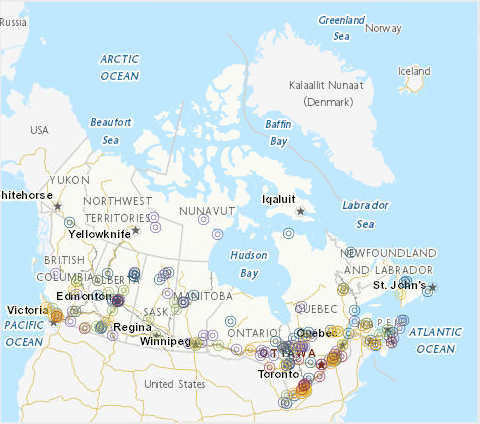
The Canadian Environmental Sustainability Indicators (CESI) program provides data and information to track Canada's performance on key environmental sustainability issues. These indicators track facility-based releases to water of 4 substances that are defined as toxic under the Canadian Environmental Protection Act, 1999: mercury, lead, cadmium and arsenic and their compounds. For each substance, data are provided at the national, regional (provincial and territorial) and facility level, as well as by source. The indicators inform Canadians about releases to water of these 4 substances from facilities in Canada. The Releases of harmful substances to water indicators also help the government to identify priorities and develop or revise strategies to inform further risk management and to track progress on policies put in place to reduce or control these 4 substances and water pollution in general.Information is provided to Canadians in a number of formats including: static and interactive maps, charts and graphs, HTML and CSV data tables and downloadable reports. See the supplementary documentation for the data sources and details on how the data were collected and how the indicator was calculated. Canadian Environmental Sustainability Indicators: https://www.canada.ca/environmental-indicators
-
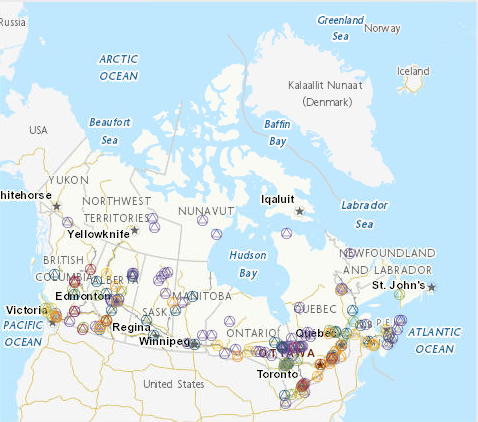
The Canadian Environmental Sustainability Indicators (CESI) program provides data and information to track Canada's performance on key environmental sustainability issues. These indicators track facility-based releases to water of 4 substances that are defined as toxic under the Canadian Environmental Protection Act, 1999: mercury, lead, cadmium and arsenic and their compounds. For each substance, data are provided at the national, regional (provincial and territorial) and facility level, as well as by source. The indicators inform Canadians about releases to water of these 4 substances from facilities in Canada. The Releases of harmful substances to water indicators also help the government to identify priorities and develop or revise strategies to inform further risk management and to track progress on policies put in place to reduce or control these 4 substances and water pollution in general.Information is provided to Canadians in a number of formats including: static and interactive maps, charts and graphs, HTML and CSV data tables and downloadable reports. See the supplementary documentation for the data sources and details on how the data were collected and how the indicator was calculated. Canadian Environmental Sustainability Indicators: https://www.canada.ca/environmental-indicators
-
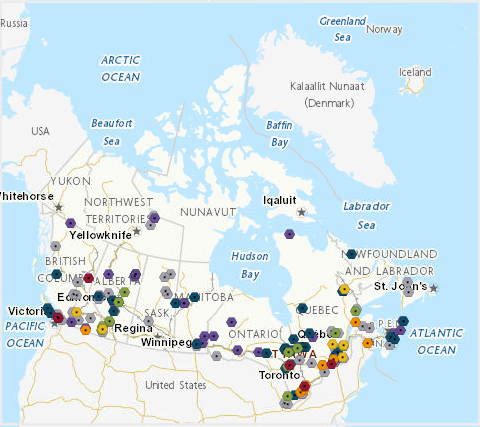
The Canadian Environmental Sustainability Indicators (CESI) program provides data and information to track Canada's performance on key environmental sustainability issues. These indicators track facility-based releases to water of 4 substances that are defined as toxic under the Canadian Environmental Protection Act, 1999: mercury, lead, cadmium and arsenic and their compounds. For each substance, data are provided at the national, regional (provincial and territorial) and facility level, as well as by source. The indicators inform Canadians about releases to water of these 4 substances from facilities in Canada. The Releases of harmful substances to water indicators also help the government to identify priorities and develop or revise strategies to inform further risk management and to track progress on policies put in place to reduce or control these 4 substances and water pollution in general.Information is provided to Canadians in a number of formats including: static and interactive maps, charts and graphs, HTML and CSV data tables and downloadable reports. See the supplementary documentation for the data sources and details on how the data were collected and how the indicator was calculated. Canadian Environmental Sustainability Indicators: https://www.canada.ca/environmental-indicators
-
The Canadian Environmental Sustainability Indicators (CESI) program provides data and information to track Canada's performance on key environmental sustainability issues. These indicators track facility-based releases to water of 4 substances that are defined as toxic under the Canadian Environmental Protection Act, 1999: mercury, lead, cadmium and arsenic and their compounds. For each substance, data are provided at the national, regional (provincial and territorial) and facility level, as well as by source. The indicators inform Canadians about releases to water of these 4 substances from facilities in Canada. The Releases of harmful substances to water indicators also help the government to identify priorities and develop or revise strategies to inform further risk management and to track progress on policies put in place to reduce or control these 4 substances and water pollution in general.Information is provided to Canadians in a number of formats including: static and interactive maps, charts and graphs, HTML and CSV data tables and downloadable reports. See the supplementary documentation for the data sources and details on how the data were collected and how the indicator was calculated. Canadian Environmental Sustainability Indicators: https://www.canada.ca/environmental-indicators
-
The Canadian Environmental Sustainability Indicators (CESI) program provides data and information to track Canada's performance on key environmental sustainability issues. These indicators track human-related emissions to air of 3 substances (mercury, lead and cadmium) and facility-based emissions to air of 1 substance (arsenic). The 4 substances are defined as toxic under the Canadian Environmental Protection Act, 1999. For each substance, data are provided at the national, regional (provincial and territorial) and facility level, and by source. Global emissions data are also provided for mercury. The indicators inform Canadians about emissions of mercury, lead and cadmium to air from human activity and emissions of arsenic from facility-based reporting in Canada. These indicators also help the government to identify priorities and develop or revise strategies to inform further risk management and to track progress on policies put in place to reduce or control these 4 substances and air pollution in general. Information is provided to Canadians in a number of formats including: static and interactive maps, charts and graphs, HTML and CSV data tables and downloadable reports. See the supplementary documentation for the data sources and details on how the data were collected and how the indicator was calculated. Canadian Environmental Sustainability Indicators: https://www.canada.ca/environmental-indicators
-
The Canadian Environmental Sustainability Indicators (CESI) program provides data and information to track Canada's performance on key environmental sustainability issues. These indicators track human-related emissions to air of 3 substances (mercury, lead and cadmium) and facility-based emissions to air of 1 substance (arsenic). The 4 substances are defined as toxic under the Canadian Environmental Protection Act, 1999. For each substance, data are provided at the national, regional (provincial and territorial) and facility level, and by source. Global emissions data are also provided for mercury. The indicators inform Canadians about emissions of mercury, lead and cadmium to air from human activity and emissions of arsenic from facility-based reporting in Canada. These indicators also help the government to identify priorities and develop or revise strategies to inform further risk management and to track progress on policies put in place to reduce or control these 4 substances and air pollution in general. Information is provided to Canadians in a number of formats including: static and interactive maps, charts and graphs, HTML and CSV data tables and downloadable reports. See the supplementary documentation for the data sources and details on how the data were collected and how the indicator was calculated. Canadian Environmental Sustainability Indicators: https://www.canada.ca/environmental-indicators
-
The Canadian Environmental Sustainability Indicators (CESI) program provides data and information to track Canada's performance on key environmental sustainability issues. These indicators track human-related emissions to air of 3 substances (mercury, lead and cadmium) and facility-based emissions to air of 1 substance (arsenic). The 4 substances are defined as toxic under the Canadian Environmental Protection Act, 1999. For each substance, data are provided at the national, regional (provincial and territorial) and facility level, and by source. Global emissions data are also provided for mercury. The indicators inform Canadians about emissions of mercury, lead and cadmium to air from human activity and emissions of arsenic from facility-based reporting in Canada. These indicators also help the government to identify priorities and develop or revise strategies to inform further risk management and to track progress on policies put in place to reduce or control these 4 substances and air pollution in general. Information is provided to Canadians in a number of formats including: static and interactive maps, charts and graphs, HTML and CSV data tables and downloadable reports. See the supplementary documentation for the data sources and details on how the data were collected and how the indicator was calculated. Canadian Environmental Sustainability Indicators: https://www.canada.ca/environmental-indicators
-
The Canadian Environmental Sustainability Indicators (CESI) program provides data and information to track Canada's performance on key environmental sustainability issues. These indicators track human-related emissions to air of 3 substances (mercury, lead and cadmium) and facility-based emissions to air of 1 substance (arsenic). The 4 substances are defined as toxic under the Canadian Environmental Protection Act, 1999. For each substance, data are provided at the national, regional (provincial and territorial) and facility level, and by source. Global emissions data are also provided for mercury. The indicators inform Canadians about emissions of mercury, lead and cadmium to air from human activity and emissions of arsenic from facility-based reporting in Canada. These indicators also help the government to identify priorities and develop or revise strategies to inform further risk management and to track progress on policies put in place to reduce or control these 4 substances and air pollution in general. Information is provided to Canadians in a number of formats including: static and interactive maps, charts and graphs, HTML and CSV data tables and downloadable reports. See the supplementary documentation for the data sources and details on how the data were collected and how the indicator was calculated. Canadian Environmental Sustainability Indicators: https://www.canada.ca/environmental-indicators
-
To increase transparency and to facilitate access to information on substances in Canadian commerce, the Government of Canada is publishing a compilation of the non-confidential information received in response to the Notice with respect to certain substances under the Chemicals Management Plan — 2023. The notice was published on June 24, 2023, in the Canada Gazette, Part I, pursuant to section 71 of the Canadian Environmental Protection Act, 1999 (CEPA). The notice collected information on the commercial status, industrial processes (for example, facility releases) and downstream use of 850 substances, from manufacturers, importers, those who used these substances to produce goods and in other activities for the 2022 calendar year. The data collected will be used to inform further prioritization decisions, risk assessment activities and risk management, if needed. A compilation of the non-confidential information is available for download in Excel and CSV formats. It should be noted that these documents do not include an assessment of the potential risks these substances may pose to the environment or to the health of people in Canada. When reviewing the data, it is important to consider: - the definitions applicable to the notice; - the persons required to provide information; - the exclusions; and - the reporting requirements. Please refer to the notice or guidance document for further details on data collected.