 Arctic SDI catalogue
Crops
Type of resources
Categories
Available actions
Topics
Keywords
Contact for the resource
Provided by
Years
Formats
Representation types
Update frequencies
status
Service types
-
These datasets show the areas where major crops can be expected within the agricultural regions of Canada. Results are provided as rasters with numerical values for each pixel indicating the level of spatial density calculated for a specific crop type in that location. Regions with higher spatial density for a certain crop have higher likelihood to have the same crop based on the previous years mapped crop inventories. For more information, visit: http://open.canada.ca/data/en/dataset/fdf82539-5a74-440b-86ef-a16b7801c706
-
This data shows spatial density of Wheat cultivation in Canada. Regions with higher calculated spatial densities represent agricultural regions of Canada in which Wheat is more expected. Results are provided as rasters with numerical values for each pixel indicating the spatial density calculated for that location. Higher spatial density values represent higher likelihood to have Wheat based on analysis of the 2009 to 2015 AAFC annual crop inventory data. For more information, visit: http://open.canada.ca/data/en/dataset/a9e958ab-94db-484b-9a6e-7ec74f6b5a25
-
This data shows spatial density of Cereals cultivation in Canada. Regions with higher calculated spatial densities represent agricultural regions of Canada in which Cereals are more expected. Results are provided as rasters with numerical values for each pixel indicating the spatial density calculated for that location. Higher spatial density values represent higher likelihood to have Cereals based on analysis of the 2009 to 2015 AAFC annual crop inventory data.For more information, visit: http://open.canada.ca/data/en/dataset/e0df876e-f56f-4797-8a7d-758e23bfa2b8
-
This data shows spatial density of Corn cultivation in Canada. Regions with higher calculated spatial densities represent agricultural regions of Canada in which Corn is more expected. Results are provided as rasters with numerical values for each pixel indicating the spatial density calculated for that location. Higher spatial density values represent higher likelihood to have Corn based on analysis of the 2009 to 2015 AAFC annual crop inventory data. For more information, visit: http://open.canada.ca/data/en/dataset/92f73de5-5f46-4a8c-bc5f-c3872f268ecb
-
This data shows spatial density of Canola cultivation in Canada. Regions with higher calculated spatial densities represent agricultural regions of Canada in which Canola is more expected. Results are provided as rasters with numerical values for each pixel indicating the spatial density calculated for that location. Higher spatial density values represent higher likelihood to have Canola based on analysis of the 2009 to 2015 AAFC annual crop inventory data. For more information, visit: http://open.canada.ca/data/en/dataset/a1da661a-55b6-4ef5-936a-fb1b6f4fa486
-
This data shows spatial density of Soybean cultivation in Canada. Regions with higher calculated spatial densities represent agricultural regions of Canada in which Soybeans are more expected. Results are provided as rasters with numerical values for each pixel indicating the spatial density calculated for that location. Higher spatial density values represent higher likelihood to have Soybeans based on analysis of the 2009 to 2015 AAFC annual crop inventory data. For more information, visit: http://open.canada.ca/data/en/dataset/7c444a60-3b82-48d9-a197-efdff0154aaf
-

This data shows spatial density of canary seed cultivation in Canada. Regions with higher calculated spatial densities represent agricultural regions of Canada in which canary seed is more expected. Results are provided as rasters with numerical values for each pixel indicating the spatial density calculated for that location. Higher spatial density values represent higher likelihood to have canary seed based on analysis of the 2009 to 2021 AAFC annual crop inventory data.
-

This data shows spatial density of Corn cultivation in Canada. Regions with higher calculated spatial densities represent agricultural regions of Canada in which Corn is more expected. Results are provided as rasters with numerical values for each pixel indicating the spatial density calculated for that location. Higher spatial density values represent higher likelihood to have Corn based on analysis of the 2009 to 2021 AAFC annual crop inventory data.
-
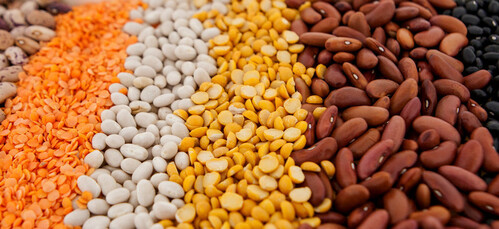
This data shows spatial density of beans cultivation in Canada. Regions with higher calculated spatial densities represent agricultural regions of Canada in which beans is more expected. Results are provided as rasters with numerical values for each pixel indicating the spatial density calculated for that location. Higher spatial density values represent higher likelihood to have beans based on analysis of the 2009 to 2021 AAFC annual crop inventory data.
-

This data shows spatial density of Wheat cultivation in Canada. Regions with higher calculated spatial densities represent agricultural regions of Canada in which Wheat is more expected. Results are provided as rasters with numerical values for each pixel indicating the spatial density calculated for that location. Higher spatial density values represent higher likelihood to have Wheat based on analysis of the 2009 to 2021 AAFC annual crop inventory data. Wheat consists of all types of wheat including winter wheat from the AAFC annual crop inventory.